
 By Janet Franklin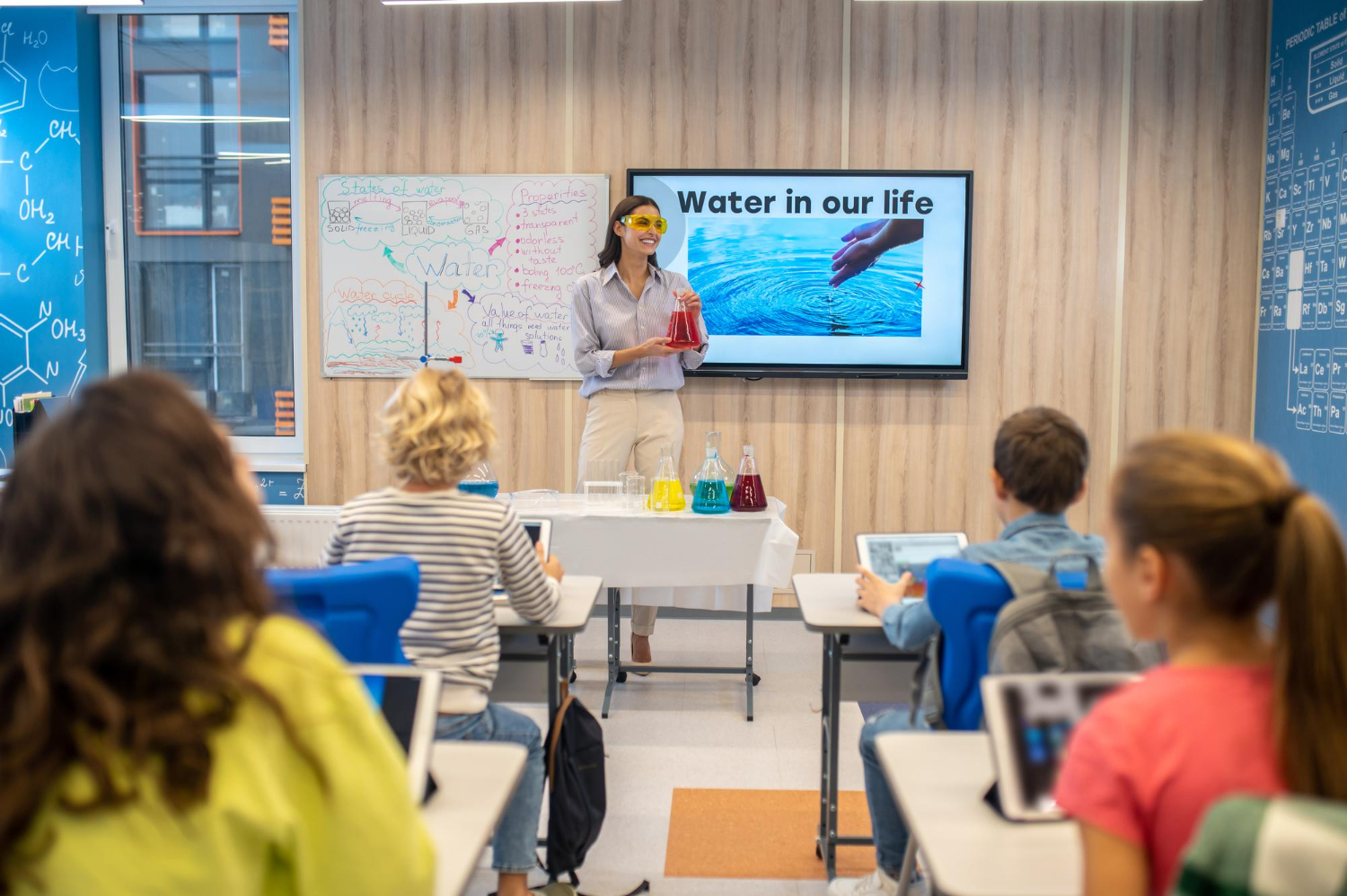
Digital tools have changed the way we learn, that much is clear. But one important thing that is often missed is the mix of real-life activities and online tools. Teachers may set up the newest platforms, but they might forget to connect them so that students can work together in both. What can teachers do to make sure that this combination part really helps students learn?
To start, you need to know how hybrid relationships really work. You can make the online and offline worlds work together smoothly by looking into the technology, how you teach, and the habits of your students. With this information, you can make lessons that keep all of your students interested and don’t have any technology problems. Planning ahead will keep you from being surprised and give you power over how the class works.
Setting the Classroom 15x
“Classroom 15x” refers to an open place to learn that combines real-world and digital tools. It’s not just online video calls. You can work together in real time, use interactive tools, and make training materials that fit your needs. When students switch between online tasks, whole-class discussions, and small group work, they should be able to do so without any problems.
Imagine desks with tablets, a screen in front for sharing materials, and apps that let students vote, draw, or answer questions in real time. A learning management system sends material to all devices and keeps track of progress in the background. Students who are not in the same room as the teacher can take the quiz and answer in real time. Switching between settings so easily is what Classroom 15x is all about.
It looks great in a variety of settings. When classes are hybridized, they stop being separate events and become one big experience. It also works with different ways of learning, like hearing, seeing, and touching. Sometimes, Classroom 15x makes it feel like one big room where every input is important.
Most Important Pros
Getting people involved is a clear advantage. Students stay alert when they get comments both in person and online. Quizzes, polls, and meeting rooms keep lessons interesting. Instead of listening to lessons, students take part in discussions.
Also, it’s easy to get to. Students can watch recordings, slide decks, or interactive lessons to make up for a class they missed. Discussions and shared files are immediately saved by the system. That safety net makes people less worried and increases participation.
Teachers also get new ideas based on facts. Analytics can tell you which topics are hard, which quizzes took longer, and where there are still gaps. That way, teachers can change the speed and focus on weak spots. You change lesson ideas over time based on how well students actually do.
Budget-friendly, Classroom 15x can use common gadgets and cloud services. By adding technology to rooms that are already there, you can escape expensive renovations. This means it can be used by schools on a tight budget that need to update fast.
Starting it up
To start Classroom 15x, you need to follow clear steps. To get started, use this list:
- Check the Infrastructure: Look at your power sources, Wi-Fi, and bandwidth.
- Pick Devices: Pick computers or tablets that fit your budget and will last a long time.
- Put software on your computer: Set up a solid LMS and productivity suite.
- Set up the network. For safety reasons, separate the student devices from the teacher computers.
- Offer lessons on how to use interactive hardware and apps to train staff.
- Plan Furniture: Set up chairs that can be moved around to help with talks and group work.
- Test Workflow: Practice teaching to fix any problems with the technology.
Make sure you set up streamlined digital documentation so that your records and files stay in order. If you have a plan, you’ll be ready for the first day of school.
Tips to Get Students Involved
In a mixed room, it can be hard to stay focused. Every 10 to 15 minutes, switch things up to keep your energy up. To see if people understand, use live quizzes or quick polls. In small groups, a two-minute chat break helps students get back on track and share their thoughts.
Get people to teach each other. Give groups of two or three people digital whiteboards to use to explain ideas to each other. This practice helps people understand better and boosts their confidence. Students who don’t usually speak up in class will start to participate more.
Adding multimedia. Different ways of learning like short films, interactive simulations, or audio clips can work well. Instead of a long lecture, show a two-minute simulation when talking about a science idea. This change in pace helps people remember.
Give out prizes right away. Instant involvement is shown by virtual badges, points, or shout-outs. There is friendly competition when a scoreboard is shown at the front. When things are mixed, small rewards add up to big results.
Checking for Success
Collect information from a variety of sources, such as quizzes, involvement logs, and feedback forms. When you see how these measures match up with your goals, you can make changes. A quick look at some popular tracking tools side by side:
Platform A
- Quizzes: Yes
- Attendance: Auto
- Feedback: Form
Platform B
- Quizzes: Yes
- Attendance: Manual
- Feedback: Polls
Platform C
- Quizzes: No
- Attendance: Auto
- Feedback: Chats
Every week, look over these data. Watch out for drops in engagement or strange trends in the scores. Then change the tech tools, lesson activities, or how your groups work. Evaluation all the time leads to improvement.
Don’t ignore what your students say. It’s helpful to get feedback on what worked and what didn’t through a short poll or an open conversation. The best changes are often those that come from learners’ ideas that can be put into action.
What’s Next
Better AI tutors, immersive AR experiences, and easy global cooperation are what Classroom 15x will look like in the future. Schools all over the world are trying out virtual campus programs that let students from far away join live classes as “avatars.” Augmented reality lets you train by putting diagrams on top of real things.
Expect real-time translation and transcription for classes with a lot of different kinds of people as networks get stronger. If a student is at risk, predictive analytics will let you know before their grades drop. These changes are meant to make learning more specific and open to everyone.
Being able to adapt will stay important. Regularly make changes to training plans, hardware contracts, and software licenses. Watch out for new edtech guidelines and best practices.
You can make sure that Classroom 15x stays new, interesting, and useful for all students by planning for tomorrow’s trends today. Innovation is good, but it should always be centered on people and clear learning goals.
In the end
Not just a new set of tech, Classroom 15x changes how we teach, learn, and connect. You can give students more control over their own progress by combining physical and digital aspects. Clear metrics, useful planning, and ongoing comments keep the model tuned and ready to act. A smooth rollout relies on ready staff, stable infrastructure, and flexible lesson planning.
As you use mixed methods, keep in mind that each tool should help students learn. Try out new features, get feedback from students, and make your method better. By doing something and then thinking about it, this loop turns lessons into active experiences. Fully embrace Classroom 15x, and watch as students do well in a fun, flexible setting.